“19 kinds” search results (2000)

Global Coffee producing area Guatemala Coffee Market
In 1750, Father Jesuit introduced coffee trees to Guatemala, where the coffee industry was developed by German colonists at the end of the 19th century. Today, most of the coffee industry's production takes place in the south of the country. Coffee production in Guatemala: the slopes of SierraMadre volcano provide ideal conditions for growing high-quality coffee beans at high altitudes.
2015-08-24 Global Coffee Origin Guatemala Market 1750 Jesu Jet J.
Boutique Kenyan coffee Kenyan Kenya AA coffee learn death wish coffee
It entered Kenya in the 19th century, when Ethiopian coffee drinks were imported into Kenya through southern Yemen. But it was not until the early 20th century that the bourbon was introduced by the St. Austen Mission (St.AustinMission). Kenyan coffee is mostly grown at an altitude of 1500m, 2100m, and is harvested twice a year. To ensure that only ripe berries are picked, people must be in the forest
2016-05-04 Boutique Kenya Coffee Learning death wish 19th Century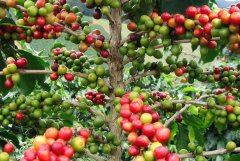
Guatemala boutique coffee beans
The extra-hard coffee beans here are full-grained, delicious and balanced, and the coffee made with them is pure and rich. Guatemala coffee once enjoyed a reputation as the best quality coffee in the world, but its quality also declined for a time. What is gratifying, however, is that its reputation is gradually being restored. In 1750, Father Jesuit introduced coffee trees to Guatemala, at the end of the 19th century.
2016-06-15 Guatemala boutique coffee beans coffee America here very hard particles
Bright style of Costa Rican Goddess Manor Coffee Flavor description roasting degree treatment method
Other kinds of Brazilian coffee, such as Rio and Parana, can be produced in large quantities because they do not need too much care. Although the taste is rough, it is a kind of good and cheap coffee. It has its own standard because it is distributed all over the country and its solid quality varies. It has its own standard (NO.2~NO.8 according to the number of sundries, NO.13~NO.19 according to the size of beans, and six grades according to taste).
2016-10-07 Style bright Costa Rica goddess manor coffee flavor description baking
Coffee machine recommended guide for the purchase of household coffee equipment
The best pressure used to extract espresso should be 9bar. But where does this pressure come from? Some people will say, there is no doubt that it must be a water pump! When the pump water is pressurized, it naturally becomes pressure water. This is the pressure used to extract coffee. This is a concept when many people who don't know anything about coffee machines buy coffee machines. But in fact, it is not so simple, the pump pressure is not.
2015-01-08 Coffee maker recommendation Household Coffee equipment purchase Guide for extraction esp
Characteristics of Kenyan coffee beans Kenyan coffee beans
Coffee entered Kenya in the 19th century, when Ethiopian coffee drinks were imported into Kenya through southern Yemen. But it was not until the early 20th century that the Bourbon Coffee Tree was created by the St. Austen Mission (St). AustinMission) is introduced. Kenyan coffee is mostly grown at an altitude of 1500 to 2100 meters and is harvested twice a year. To ensure that only ripe berries are picked, people must be in the forest
2016-05-08 Kenya coffee beans characteristics practices coffee 19th century entering when
Characteristics of Kenyan coffee beans Kenyan coffee beans
Coffee entered Kenya in the 19th century, when Ethiopian coffee drinks were imported into Kenya through southern Yemen. But it was not until the early 20th century that the Bourbon Coffee Tree was created by the St. Austen Mission (St). AustinMission) is introduced. Kenyan coffee is mostly grown at an altitude of 1500 to 2100 meters and is harvested twice a year. To ensure that only ripe berries are picked, people must be in the forest
2016-05-08 Kenya coffee beans characteristics practices coffee 19th century entering when
The origin of Kenyan coffee beans boutique coffee
Coffee entered Kenya in the 19th century, when Ethiopian coffee drinks were imported into Kenya through southern Yemen. But it was not until the early 20th century that the Bourbon Coffee Tree was created by the St. Austen Mission (St). AustinMission) is introduced. Kenyan coffee is mostly grown at an altitude of 1500 to 2100 meters and is harvested twice a year. To ensure that only ripe berries are picked, people must be in the forest
2016-05-08 Kenya coffee beans origin boutique coffee 19th century enter
Coffee bean producing countries introduce Guatemalan coffee
In 1750, Father Jesuit introduced coffee trees to Guatemala, where the coffee industry was developed by German colonists at the end of the 19th century. Today, most of the coffee industry's production takes place in the south of the country. Coffee production in Guatemala: the slopes of SierraMadre volcano provide ideal conditions for growing high-quality coffee beans at high altitudes.
2015-05-14 Coffee beans country of production introduction Guatemala Coffee 1750 Jesu ITT
Description of flavor and taste of Costa Rican Fenghuang Manor Coffee varieties
Other kinds of Brazilian coffee, such as Rio and Parana, can be produced in large quantities because they do not need too much care. Although the taste is rough, it is a kind of good and cheap coffee. It has its own standard because it is distributed all over the country and its solid quality varies. It has its own standard (NO.2~NO.8 according to the number of sundries, NO.13~NO.19 according to the size of beans, and six grades according to taste).
2016-09-24 Taste mellow Costa Rica Fire Phoenix Manor Coffee Variety flavor description
The blending method of mixed Coffee domestic Coffee Brand Design
Coffee was originally enjoyed by Italian residents or gourmets. This makes the coffee have a certain regional character. With the development of trade, blended coffee has gradually removed this regional limitation, and coffee has become a mixed drink, just like champagne with some wine. In fact, some people insist that the best coffee is to combine the advantages of different kinds of coffee, from
2016-06-08 Mixing coffee practice blending way domestic brand design initially Italy
The present situation of the origin of coffee in Kenya
Kenyan Coffee, the origin editor, entered Kenya in the 19th century, when Ethiopian coffee drinks were imported to Kenya through South Yemen. But it was not until the early 20th century that the bourbon was introduced by the St. Austen Mission (St.AustinMission). Kenyan coffee is mostly grown at an altitude of 1500m, 2100m, and is harvested twice a year. To ensure that only
2016-06-02 Kenya Coffee Origin status quo Editor 19th Century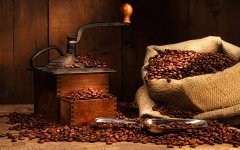
Twelve famous high-quality coffee producers in Guatemala
In 1750, Father Jesuit introduced coffee trees to Guatemala, where the coffee industry was developed by German colonists at the end of the 19th century. Today, most of the coffee industry's production takes place in the south of the country. Coffee production in Guatemala: the slopes of SierraMadre volcano provide ideal conditions for growing high-quality coffee beans at high altitudes.
2015-06-01 Famous twelve quality coffee origin Guatemala 1750 Jesu
Introduction to San Pedro Chateau San Pedro
Apart from the sunshine and beaches of the Caribbean and Miss World, do you know what else is most attractive about this South American island known as the port of wealth? That's the best coffee. Puerto Rico is one of the world's preeminent coffee producers. Since the second half of the 19th century, Puerto Rican coffee has become the first choice of the Vatican and European royals, and has also been the president of the United States.
2016-08-03 Taste aroma strong Puerto Rico coffee manor producing area characteristics flavor taste
The flavor of Guatemalan boutique coffee
The extra-hard coffee beans here are full-grained, delicious and balanced, and the coffee made with them is pure and rich. Guatemala coffee once enjoyed a reputation as the best quality coffee in the world, but its quality also declined for a time. What is gratifying, however, is that its reputation is gradually being restored. In 1750, Father Jesuit introduced coffee trees to Guatemala, at the end of the 19th century.
2016-05-20 Guatemala boutique coffee flavor here extra hard coffee beans granules full
Introduction to the flavor and taste of Costa Rican Coffee Manor Costa Rican Coffee
Other kinds of Brazilian coffee, such as Rio and Parana, can be produced in large quantities because they do not need too much care. Although the taste is rough, it is a kind of good and cheap coffee. It has its own standard because it is distributed all over the country and its solid quality varies. It has its own standard (NO.2~NO.8 according to the number of sundries, NO.13~NO.19 according to the size of beans, and six grades according to taste).
2016-08-05 Costa Rica coffee manor producing area flavor taste characteristics introduction goddess
Vietnam is one of the top coffee producing countries in the world.
Vietnam (Vietnam) well-known representative coffee: Vietnam Coffee Vietnam is also one of the top coffee producers in the world. At present, the vast majority of coffee trees in Vietnam are Robusta, because the Arabica coffee trees in Vietnam were destroyed by leaf rust in the mid-19th century and replaced with Robusta coffee trees that are resistant to leaf rust.
2015-09-09 Vietnam famous coffee species global several major producing countries one Vi
Characteristics of Kenyan coffee beans methods of growing Kenyan coffee beans
Coffee entered Kenya in the 19th century, when Ethiopian coffee drinks were imported into Kenya through southern Yemen. But it was not until the early 20th century that the Bourbon Coffee Tree was created by the St. Austen Mission (St). AustinMission) is introduced. Kenyan coffee is mostly grown at an altitude of 1500 to 2100 meters and is harvested twice a year. To ensure that only ripe berries are picked, people must be in the forest
2016-05-08 Kenya coffee beans characteristics cultivation methods practices coffee 19th century entered
Introduction of Costa Rican Coffee Flavor Fine Coffee beans in Costa Rican Coffee producing areas
Its kinds of Brazilian coffee, such as Rio and Parana, can be produced in large quantities because they do not need too much care. Although the taste is rough, it is a kind of high-quality and inexpensive coffee, which has its own standards because it is distributed all over the country and its solid quality varies (NO.2~NO.8 according to the number of sundries, NO.13~NO.19 according to the size of beans, six grades according to taste).
2016-07-30 Costa Rica coffee flavor introduction producing area manor boutique coffee beans species
Introduction of Brazilian coffee boutique coffee bean flavor manor with low acidity
The China Coffee Network grows old bourbon coffee on some estates in the Serrado district of Minas Greais state in southeastern Brazil. Old varieties of bourbon coffee grown on these estates, such as Capin Branco and Vista Allegre, are also sold on the market. Although they come from the same area, these coffees are different.
2016-09-14 With low sour Brazil coffee boutique coffee beans flavor taste manor